
भारत का financial ecosystem पिछले कुछ वर्षों में तेजी से digital और interconnected हुआ है।
आज banking system, Income Tax Department, GST network, PAN-Aadhaar linkage और digital payment infrastructure पहले की तुलना में कहीं अधिक integrated तरीके से काम कर रहे हैं।
इसी वजह से एक सवाल बहुत तेजी से लोगों के मन में उठ रहा है —
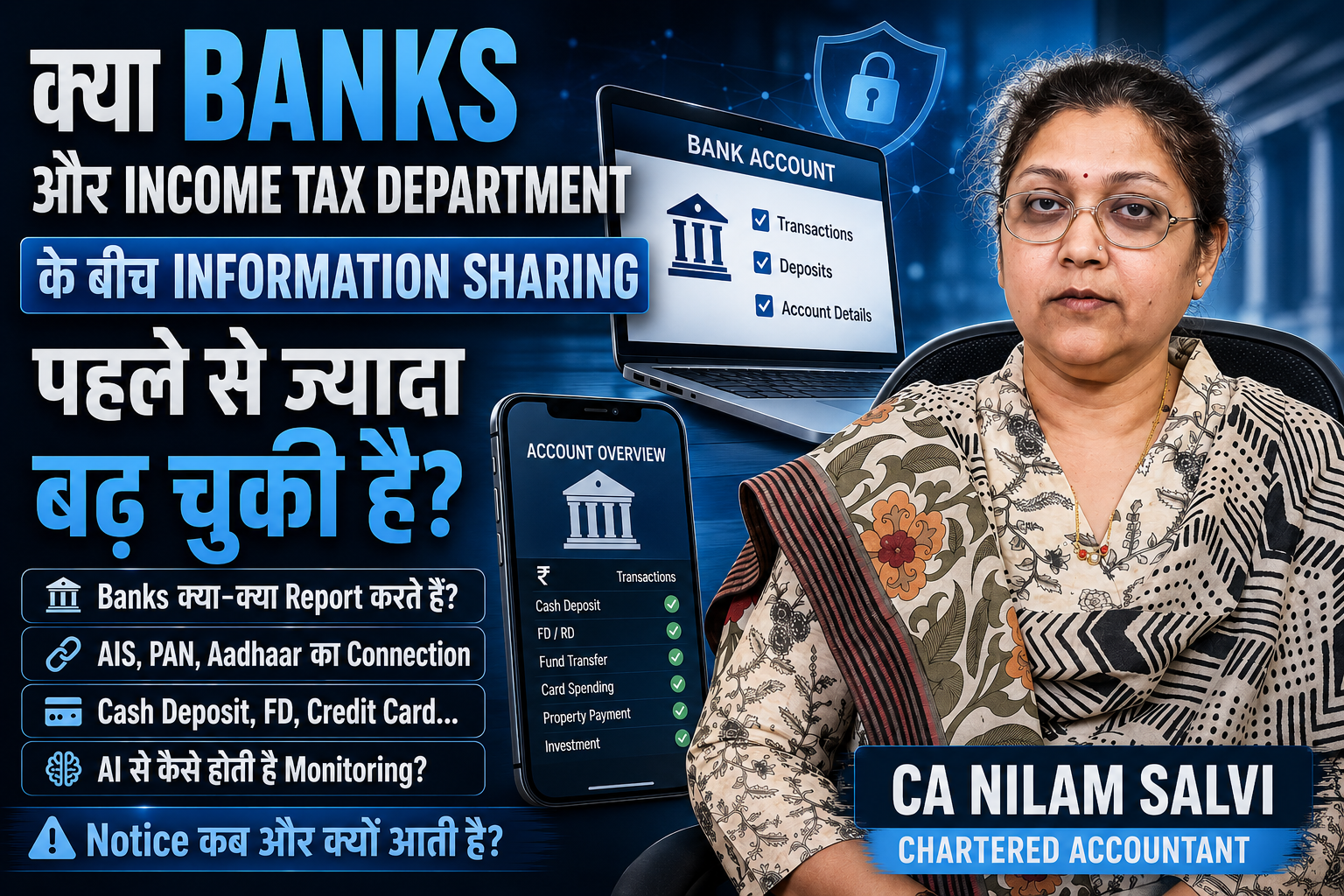
क्या अब Banks और Income Tax Department के बीच information sharing पहले से ज्यादा बढ़ चुकी है?
इसका सीधा जवाब है — हाँ।
- लेकिन इसका मतलब क्या है?
- क्या हर transaction पर निगरानी रखी जा रही है?
- क्या हर bank account automatically scan होता है?
- और आखिर किस प्रकार की transactions authorities तक पहुँच सकती हैं?
आइए इसे आसान भाषा में समझते हैं।
पहले System कैसा था?
कुछ वर्षों पहले तक banking और taxation systems largely अलग-अलग तरीके से operate करते थे।
Information sharing अक्सर:
- manual reporting,
- selective investigations,
- specific complaints,
- या suspicious cases
तक सीमित रहती थी।
यानि हर financial activity centrally visible नहीं होती थी।
लेकिन digital transformation के बाद स्थिति तेजी से बदली है।
आज कौन-कौन सी Financial Activities Report हो सकती हैं?
आज कई high-value transactions automated reporting frameworks के तहत capture किए जा सकते हैं।
इनमें शामिल हो सकते हैं:
- Large cash deposits
- High-value cash withdrawals
- Fixed deposits above certain thresholds
- Heavy credit card spending
- Property-linked banking transactions
- Foreign remittances
- Investment transactions
- Certain structured cash activities
इन transactions का data अलग-अलग regulatory channels के माध्यम से authorities तक पहुँच सकता है।
PAN, Aadhaar और AIS ने क्या बदला?
आज PAN linkage, Aadhaar integration और AIS (Annual Information Statement) ने financial visibility को काफी बढ़ा दिया है।
अब अलग-अलग systems interconnected हो चुके हैं:
- Banking KYC systems
- TDS reporting
- GST data
- Investment records
- Digital payment trails
- Property transaction reporting
इस integration का उद्देश्य tax compliance और transparency बढ़ाना है।
क्या Income Tax Department हर Bank Account देखता है?
यह एक common misconception है।
असल में system किसी officer के manually बैठकर हर account देखने जैसा नहीं होता।
आज का monitoring framework largely:
- automated,
- data-driven,
- algorithm-based,
- और risk-analysis oriented
हो चुका है।
Focus आमतौर पर उन cases पर होता है जहाँ:
- declared income,
- spending behaviour,
- asset profile,
- और banking activity
के बीच बड़ा mismatch दिखाई देता है।
Banks की भूमिका क्यों बदल गई है?
आज banks केवल customer service institutions नहीं रह गए हैं।
उनकी regulatory responsibilities पहले से काफी बढ़ चुकी हैं।
Banks को अब कई compliance frameworks follow करने होते हैं:
- KYC (Know Your Customer)
- AML (Anti-Money Laundering)
- Suspicious Transaction Reporting
- Risk Monitoring Systems
- Regulatory Audits
इसी कारण banking secrecy का traditional concept काफी बदल चुका है।
क्या हर Transaction Problem बन सकता है?
नहीं।
भारत जैसी बड़ी economy में करोड़ों legitimate transactions रोज़ होते हैं।
सिर्फ transaction बड़ा होने से कोई व्यक्ति गलत नहीं हो जाता।
असल concern तब होता है जब authorities को दिखाई देता है:
- unexplained fund movement,
- unusual cash behaviour,
- structured deposits,
- inconsistent income profile,
- या suspicious financial patterns।
- Future में क्या बदल सकता है?
Experts का मानना है कि आने वाले समय में:
- AI-based analytics,
- centralized reporting systems,
- automated risk detection,
- और inter-agency coordination
और मजबूत होंगे।
यानि financial transparency लगातार बढ़ती जाएगी।
लेकिन इसके साथ privacy protection, data security और fair usage frameworks भी equally important रहेंगे।
क्योंकि किसी भी modern economy में monitoring और citizen trust — दोनों के बीच संतुलन बनाए रखना जरूरी है।
निष्कर्ष
Banks और Income Tax Department के बीच information sharing पहले की तुलना में निश्चित रूप से अधिक advanced, digital और integrated हो चुकी है।
लेकिन इसका उद्देश्य हर व्यक्ति को suspect मानना नहीं, बल्कि financial transparency और compliance को बेहतर बनाना है।
यदि आपकी financial activities genuine, documented और properly disclosed हैं, तो unnecessary panic की आवश्यकता नहीं है।
आज के समय में सबसे महत्वपूर्ण चीज है:
- proper documentation,
- clean financial records,
- transparent transactions,
- और timely tax compliance
इसी से future financial scrutiny के risks काफी हद तक कम किए जा सकते हैं।