

Glamping vs. Luxury Apartments: A Comparative ROI, Cash Flow, and Tax Analysis for Modern Investors
The New Battle in Real Estate Investing
For decades, luxury apartments have been regarded as one of the safest ways to build wealth. Investors purchased premium residential units in prime urban locations, collected rental income, benefited from long-term appreciation, and leveraged financing to grow their portfolios. This strategy has produced substantial wealth across global real estate markets.
However, the investment landscape is evolving. In 2026, another asset class—luxury glamping—is attracting attention from developers, hospitality entrepreneurs, family offices, and investors seeking exposure to the expanding experiential travel economy.
Luxury glamping is no longer synonymous with basic camping. High-end geodesic domes, designer safari tents, luxury treehouses, glass cabins, and eco-lodges now offer hotel-grade amenities while immersing guests in nature. These properties blend hospitality with real estate, creating income streams that differ significantly from those of traditional residential investments.
This raises an important question: Can luxury glamping deliver better returns than luxury apartments?
There is no universal answer. The outcome depends on market conditions, management capability, financing, taxation, and local regulations. Nevertheless, comparing the two asset classes provides valuable insight into how modern investors can diversify their portfolios.
The Investment Philosophy Behind Each Asset
At first glance, both investments involve acquiring land or property and generating income. Beyond that similarity, their economics differ considerably.
Luxury Apartments
Luxury apartments are primarily passive real estate investments. Income typically comes from long-term leases or, where permitted, short-term rentals. Performance depends on factors such as rental demand, property appreciation, financing costs, and operating expenses.
Investors generally evaluate apartments using metrics including:
- Rental yield
- Occupancy rate
- Net operating income (NOI)
- Capital appreciation
- Cash-on-cash return
- Luxury Glamping
Luxury glamping combines real estate ownership with hospitality operations. Revenue is generated through guest bookings, premium experiences, food and beverage services, events, wellness programs, and other ancillary offerings.
Because it operates as a hospitality business, investors often monitor:
- Average Daily Rate (ADR)
- Occupancy
- Revenue per available unit (RevPAR)
- Guest acquisition costs
- Operating margin
- Return on invested capital (ROIC)
The distinction is important: luxury apartments emphasize stable rental income, whereas luxury glamping emphasizes operational performance and guest demand.
Capital Expenditure: Permanent Luxury vs. Portable Luxury
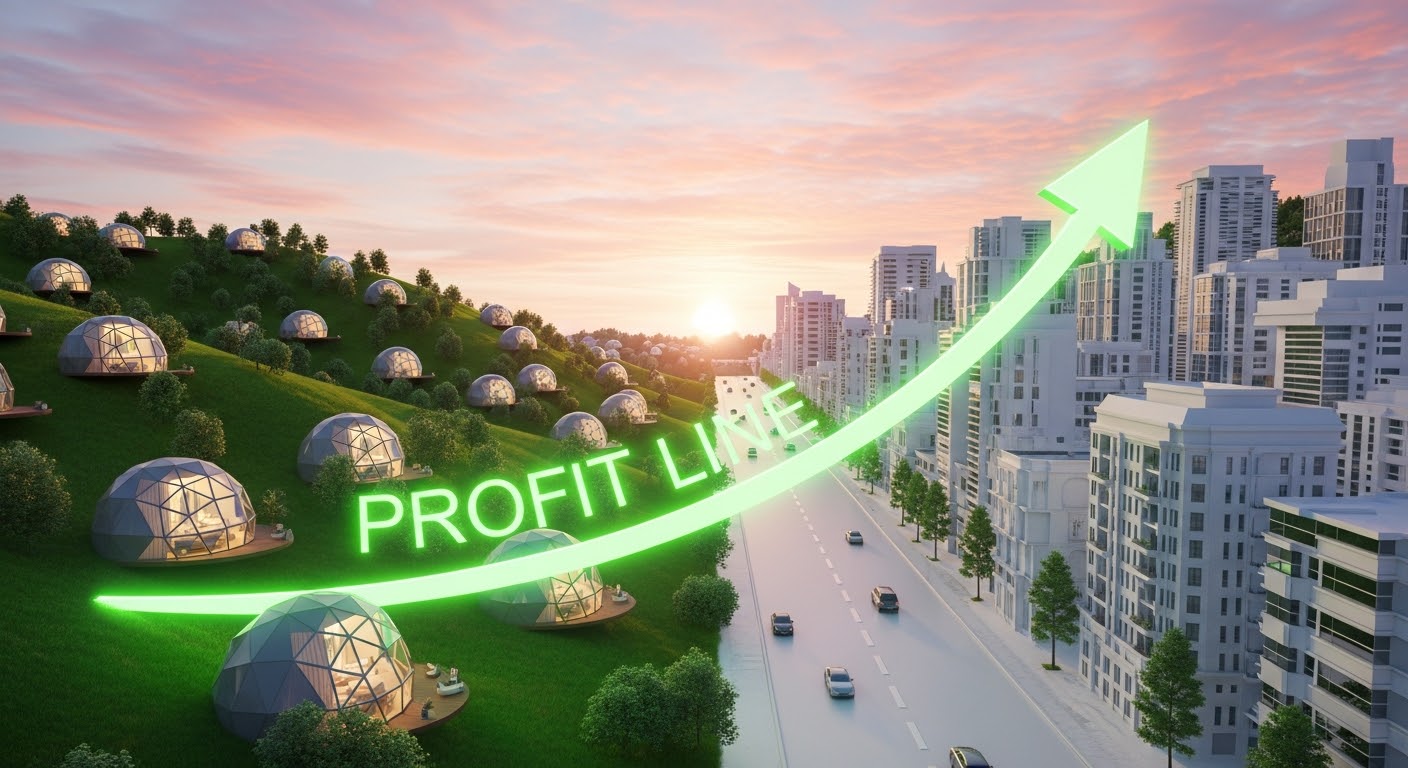
Luxury apartment developments often require:
- Urban or premium suburban land
- Extensive construction
- Longer approval timelines
- Significant financing
- High infrastructure costs
Luxury glamping developments typically involve:
- Land ownership or long-term lease
- Site preparation
- Modular accommodation units
- Utilities and common facilities
- Landscaping
- Booking and management systems
Depending on location and regulations, modular or semi-permanent structures may reduce construction timelines compared with conventional buildings. However, infrastructure requirements, environmental compliance, and utility connections can still represent significant investments.
The lower initial capital requirement of some glamping projects may allow developers to test demand before expanding.
Revenue Generation
Luxury Apartments
Apartment revenue is generally predictable.
A tenant signs a lease, pays monthly rent, and occupancy remains relatively stable throughout the lease period.
Advantages include:
- Consistent cash flow
- Lower marketing costs
- Simplified operations
- Stable occupancy
Disadvantages include:
- Limited pricing flexibility
- Fixed rental agreements
- Vacancy risk between tenants
Luxury Glamping
Luxury glamping properties operate more like boutique resorts.
Revenue can include:
- Accommodation
- Dining
- Guided experiences
- Wellness packages
- Adventure activities
- Corporate retreats
- Weddings
- Photography sessions
Unlike apartment rentals, pricing can change dynamically according to seasonality, holidays, local events, and demand.
This flexibility creates opportunities for higher revenue during peak periods but also increases exposure to seasonal fluctuations.
Cash Flow Comparison
Cash flow is one of the most important measures for any investment.
Luxury Apartments
Cash flow tends to be relatively stable because rental contracts generate recurring monthly income.
Operating expenses typically include:
- Maintenance
- Property taxes
- Insurance
- Building association fees
- Repairs
- Property management
Unexpected repairs and prolonged vacancies can reduce returns, but cash flow is generally easier to forecast.
Luxury Glamping
Cash flow depends on several operational factors:
- Occupancy
- Average Daily Rate
- Guest reviews
- Marketing effectiveness
- Seasonal demand
- Additional guest spending
A well-managed property can generate multiple revenue streams, but hospitality operations require active management, staffing, and customer service.
As a result, potential returns may be higher, but so is operational complexity.
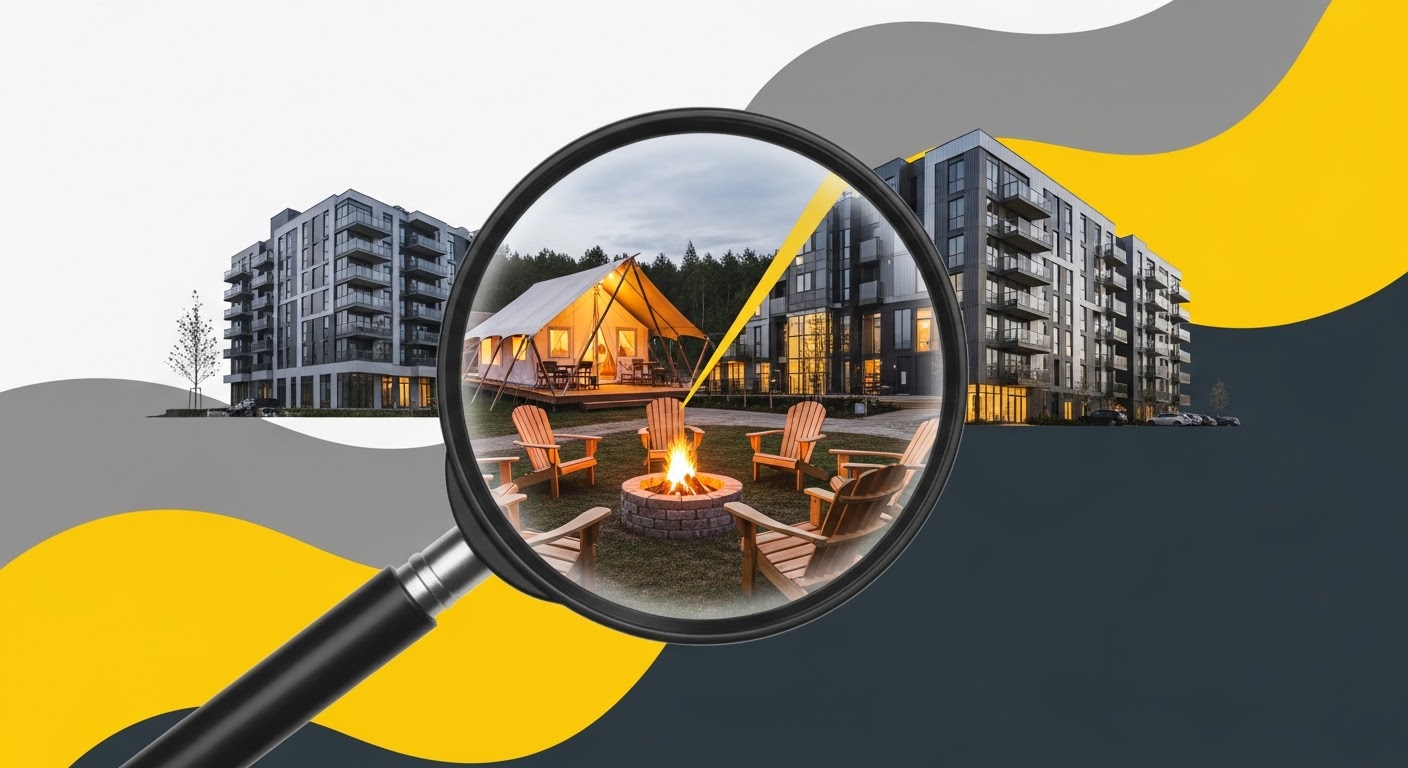
Understanding ROI
Return on investment is influenced by much more than purchase price.
Luxury apartments often rely on:
- Long-term appreciation
- Rental yield
- Debt financing
- Urban infrastructure development
Luxury glamping may benefit from:
- Premium pricing
- Experience-driven demand
- Diversified revenue
- Operational improvements
- Brand development
Neither investment guarantees superior returns. Success depends on disciplined financial planning and execution.
Occupancy and Pricing Power
Luxury apartments generally experience consistent occupancy because tenants require housing regardless of tourism trends.
Luxury glamping occupancy is influenced by:
- Tourism demand
Weather - Economic conditions
- Destination popularity
- Marketing
- Guest satisfaction
During peak travel seasons, hospitality businesses may increase room rates, while residential leases usually remain fixed for the duration of the agreement.
This pricing flexibility can enhance revenue, provided occupancy remains strong.
Maintenance and Operating Costs

Luxury apartments require ongoing maintenance of:
- Elevators
- Common areas
- Plumbing
- Electrical systems
- Security
- Building infrastructure
Luxury glamping properties may avoid some high-rise maintenance costs but still require investment in:
- Landscaping
- Guest amenities
- Housekeeping
- Utilities
- Outdoor infrastructure
- Property upgrades
The maintenance profile differs rather than disappearing altogether.
Tax Considerations
Tax treatment varies significantly across jurisdictions and ownership structures.
Luxury Apartments
Depending on local law, investors may claim deductions for expenses such as:
- Mortgage interest (where permitted)
- Repairs
- Maintenance
- Insurance
- Property management
- Depreciation
- Luxury Glamping
Because luxury glamping generally operates as a business, eligible deductions may include:
- Operating expenses
- Employee salaries
- Marketing
- Equipment
- Utilities
- Furnishings
- Depreciation on qualifying assets
Some jurisdictions also provide tourism incentives or accelerated depreciation for qualifying hospitality investments. However, these benefits differ widely between countries and may depend on project structure and applicable tax legislation.
Professional tax advice is essential before relying on any incentive.
Risk Profile
Luxury Apartments
Common risks include:
- Rental regulation
- Interest rate
- increases
- Vacancy
- Market corrections
- Property taxes
- Luxury Glamping
Hospitality investments face additional risks:
- Seasonality
- Weather
- Tourism cycles
- Reputation management
- Online reviews
- Operational performance
- Regulatory approvals
Investors should evaluate whether they are comfortable managing a hospitality business or prefer a more passive residential investment.
Appreciation Potential

Luxury apartments often appreciate alongside urban development, infrastructure improvements, and limited housing supply.
Luxury glamping properties derive value from multiple sources:
- Land appreciation
- Brand recognition
- Business profitability
- Tourism demand
- Operational performance
When a glamping business is sold, buyers may value both the underlying real estate and the income-producing enterprise.
Financing Considerations
Residential apartments generally benefit from established mortgage markets and predictable underwriting standards.
Financing for hospitality projects may involve different lending criteria because lenders evaluate operational performance in addition to property value.
Investors should understand how financing terms affect projected returns before comparing opportunities.
Sustainability as an Investment Driver
Environmental sustainability has become an important consideration for guests and investors alike.
Many luxury glamping projects incorporate:
- Renewable energy
- Water conservation
- Low-impact construction
- Waste reduction
- Native landscaping
These initiatives can enhance marketability and support long-term operational resilience.
Which Investment Suits Different Investors?
Luxury Apartments May Be Better For:
Passive investors
- Long-term wealth preservation
- Stable rental income
- Lower operational involvement
- Conservative portfolios
Luxury Glamping May Be Better For:
- Hospitality entrepreneurs
- Active operators
- Investors seeking multiple revenue streams
- Experience-driven brands
- Diversified tourism businesses
The choice depends less on which asset is “better” and more on the investor’s objectives, expertise, and risk tolerance.
A Balanced Portfolio Approach
Many sophisticated investors do not choose between residential real estate and experiential hospitality—they combine them.
A diversified portfolio might include:
Residential apartments for steady cash flow and long-term appreciation.
Luxury glamping for exposure to tourism-driven growth and hospitality income.
Commercial or mixed-use assets to broaden income sources.
Diversification can help reduce dependence on a single market or revenue model.
Final Thoughts

For modern investors, the decision is not simply about choosing permanent luxury over portable luxury. It is about aligning investments with personal goals, available expertise, and long-term strategy.
Those seeking reliable, relatively passive income may continue to favor luxury apartments. Those prepared to operate a hospitality business and capitalize on the growing demand for unique travel experiences may find luxury glamping an attractive complement to a diversified portfolio.
Disclaimer: This article is for informational purposes only and does not constitute investment, legal, or tax advice. Tax incentives, depreciation rules, financing availability, and investment returns vary by jurisdiction and individual circumstances. Investors should consult qualified financial, legal, and tax professionals before making investment decisions.